Build a Home That Powers Itself
Explore the Net-Zero Pathways →
A real-world demonstration of solar, geothermal, high-efficiency HVAC, smart metering, and historic preservation working together to create comfort, resilience, and near-zero emissions.
A Living Lab for Home Resilience and Clean Energy
-
Historic Preservation and Rehabilitation
Preserving character while upgrading performance. Where National Park Service–approved restoration meets modern energy retrofits.
-
Clean Energy Systems
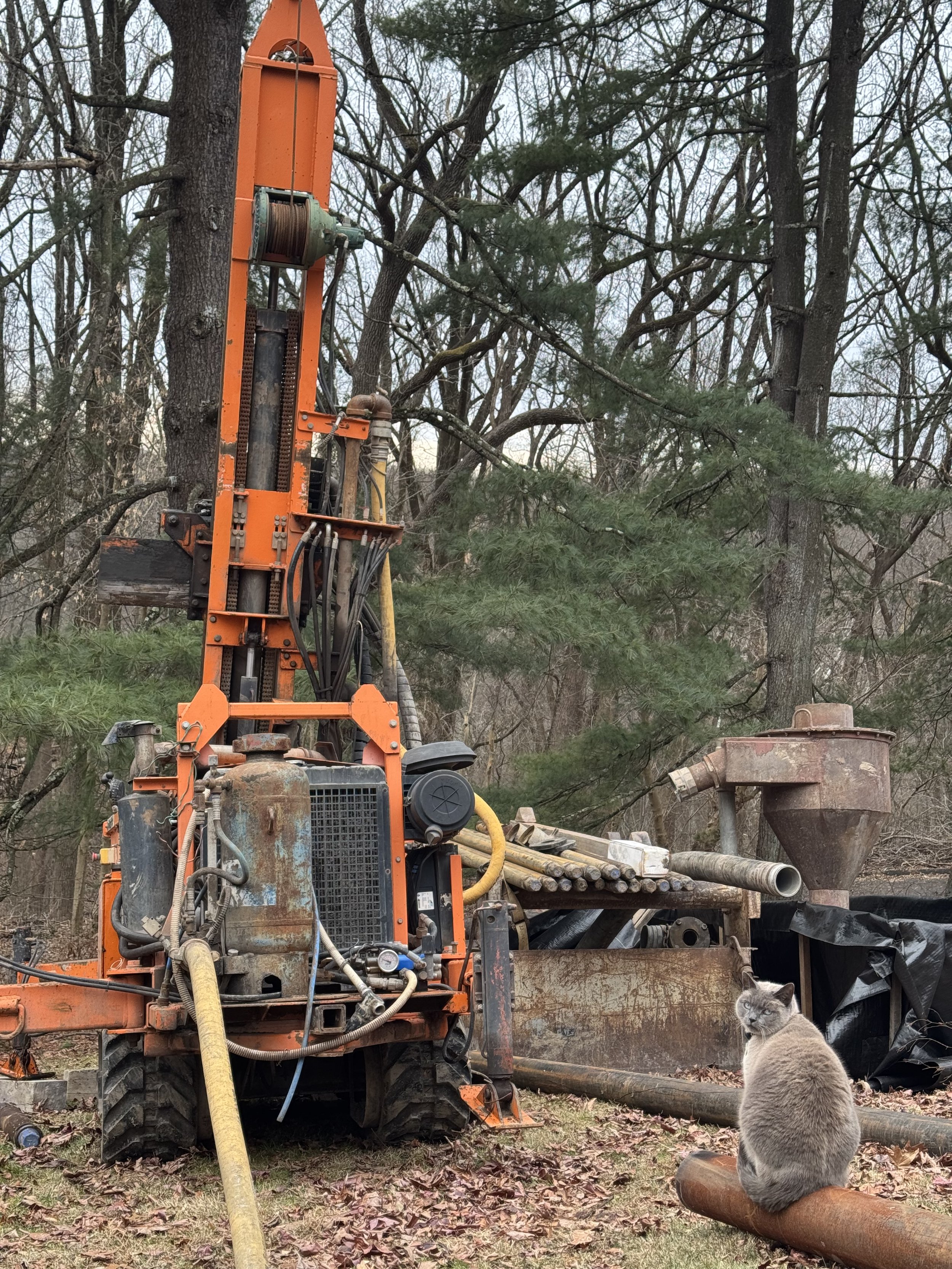
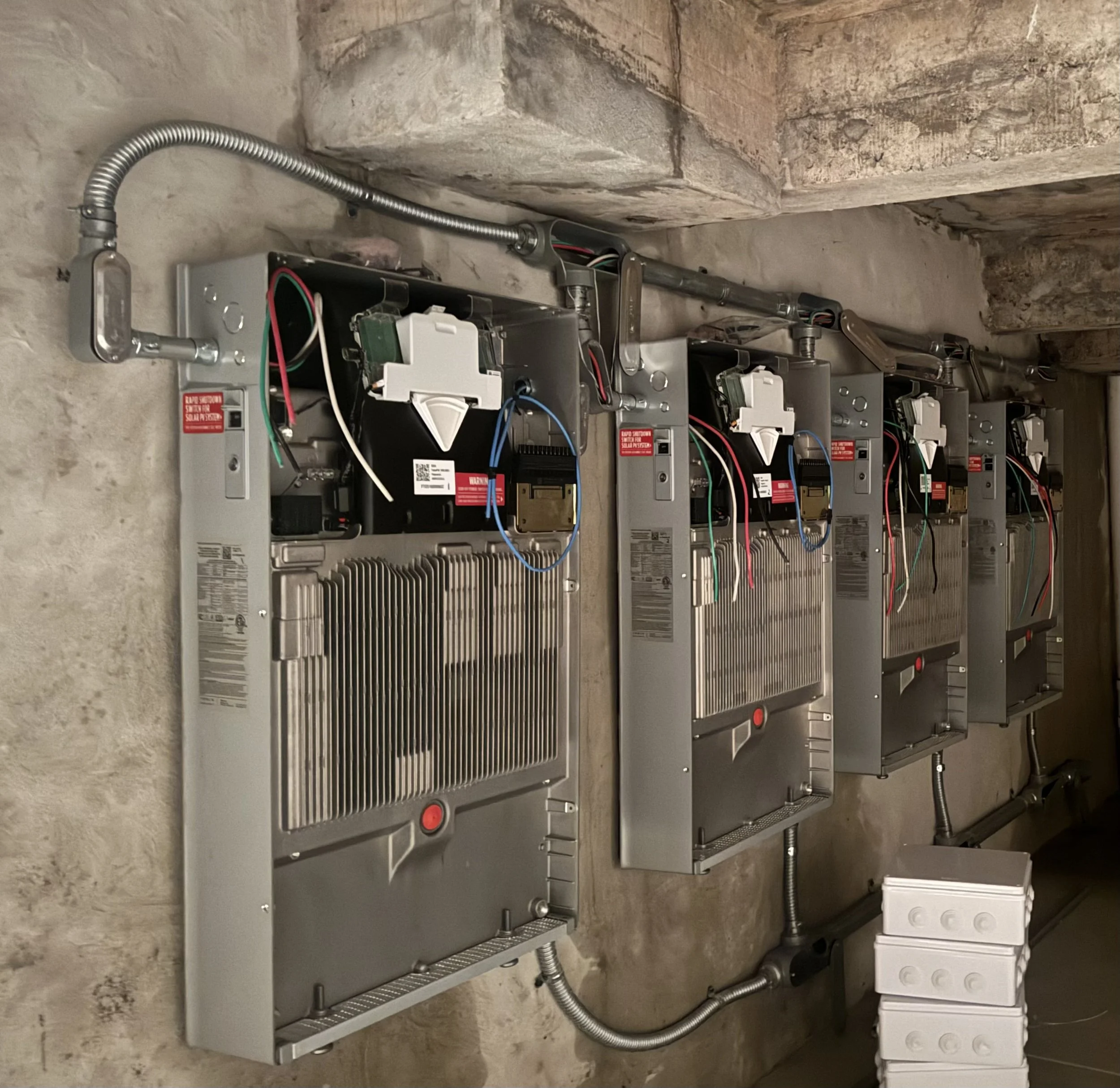
Geothermal and electrification under real-world constraints. Integrating solar, geothermal, and high-efficiency HVAC for a fully electrified, net-zero home.
-
Climate Business & Finance
Infrastructure designed to be financeable and replicable. Guidance on SBIRs, PPAs, VPPs, and tax-credit financing to build and scale clean-energy ventures.
A Real-World Demonstrator for Net-Zero Living
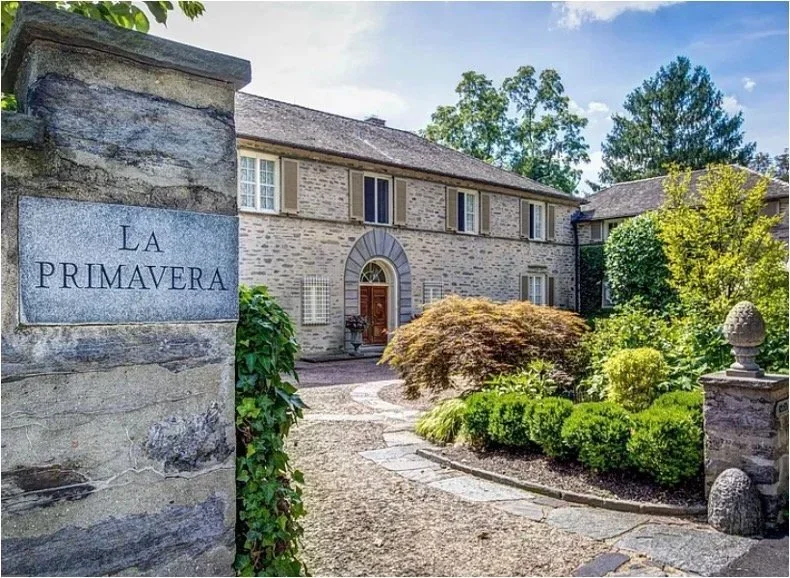
La Primavera is a 1925 stone residence in Chestnut Hill designed by architect Robert McGoodwin. The home’s Italian Revival details—including symmetrical stone massing, the arched limestone entry, original window configurations, and wrought-iron grilles attributed to Samuel Yellin—give it extraordinary architectural integrity, as documented through the National Park Service (NPS) Part 1 evaluation.
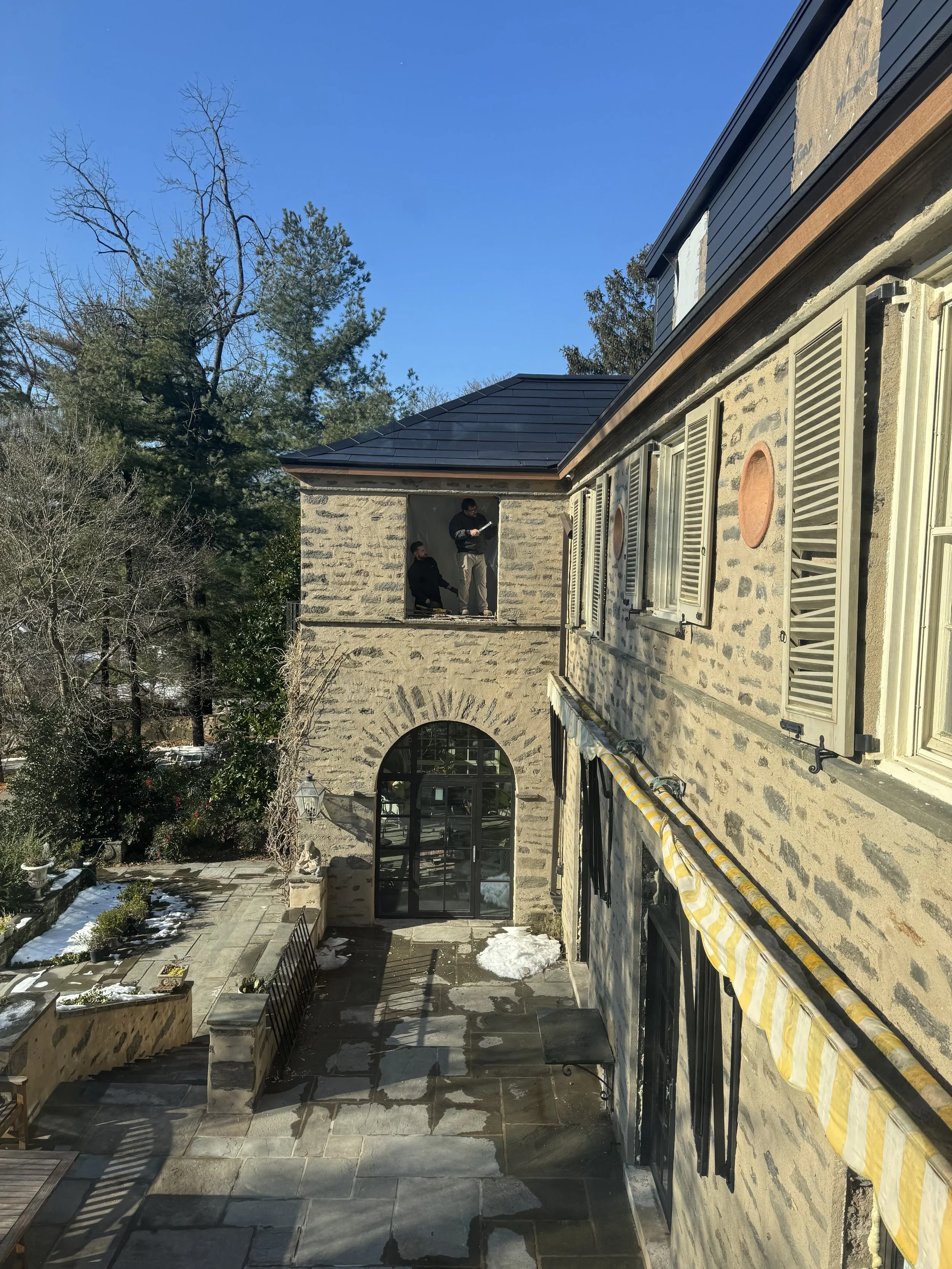
Preserving these features is essential. At the same time, the home’s aging systems—including the deteriorated wood shingle roof visible in the 2019 aerial photographs—offered an opportunity to demonstrate how deep energy retrofits can be integrated into a historic structure without compromising its character.
Through the NPS Part 2 process, every proposed intervention—from the new roof structure to window replacements, mechanical pathways, and enclosure upgrades—was reviewed against federal preservation standards. This Demonstrator showcases how geothermal wells, a solar roof, high-efficiency HVAC, and electrification pathways can be integrated within a historically sensitive building envelope while meeting NPS guidelines for rehabilitation.
The result is a real-world model of what it means to bring a century-old home into a net-zero future: honoring its architectural heritage while significantly improving comfort, resilience, and energy performance.
WHAT YOU’LL LEARN
Historic Pathways
Learn how to navigate National Park Service Parts 1, 2, and 3 — from documenting significant architectural features to proposing sensitive interventions. See how historic materials, window assemblies, and character-defining details were evaluated and preserved while integrating modern energy systems.
Integrated Energy Systems
Understand how geothermal wells, a solar roof, high-efficiency HVAC, and electrification can work together within a historic envelope. Explore sequencing, mechanical pathways, roof system integration, and how modern performance upgrades can align with preservation standards.
Climate Business & Finance
Gain insight into how projects like this can be structured financially, including tax credit pathways (such as §47, 25D, and §48), ownership models, PPAs, and SBIR-aligned strategies for scaling climate technologies. Learn how to turn a whole-home retrofit into a replicable, financially viable blueprint.
Inside the Demonstrator
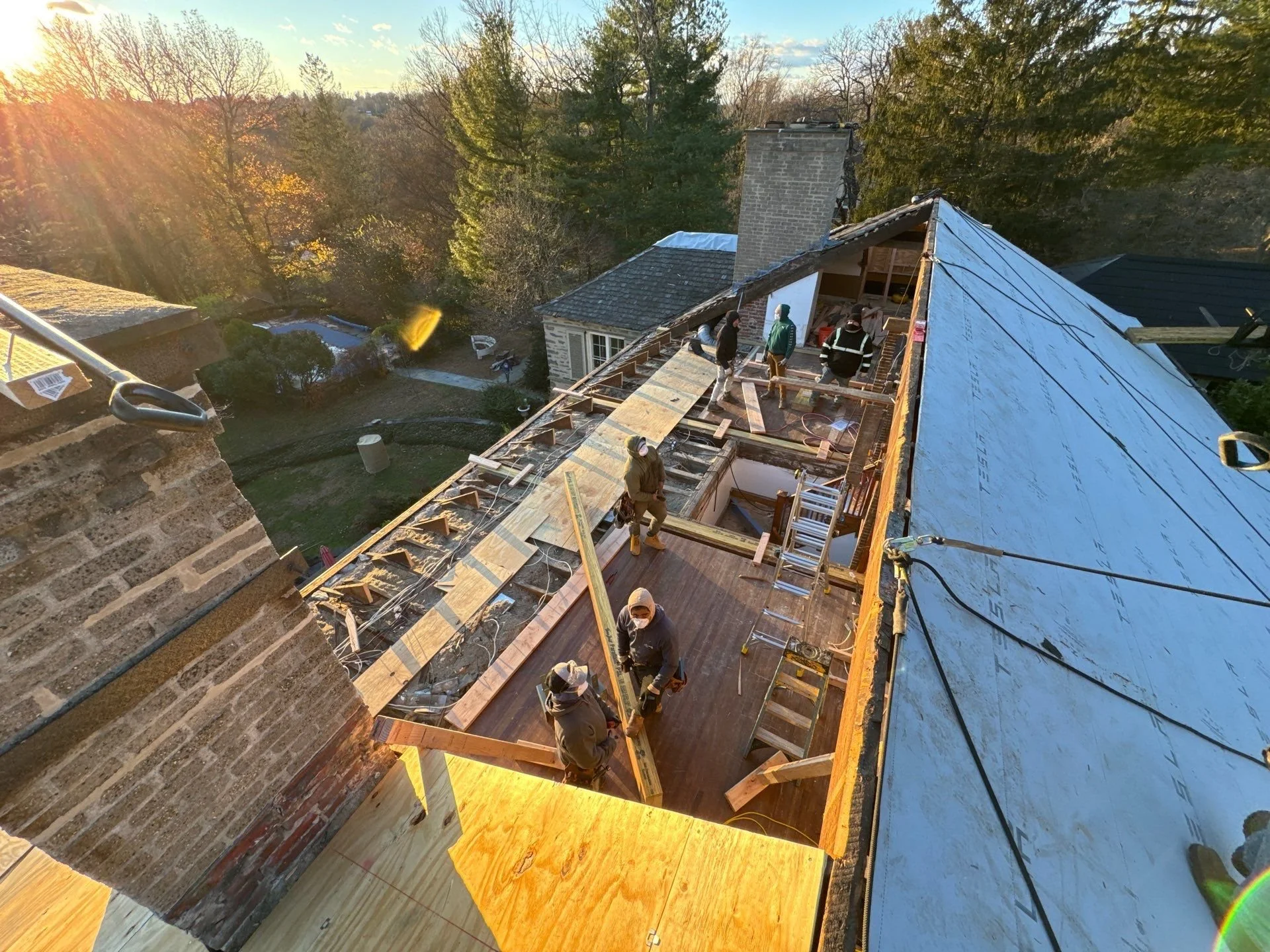
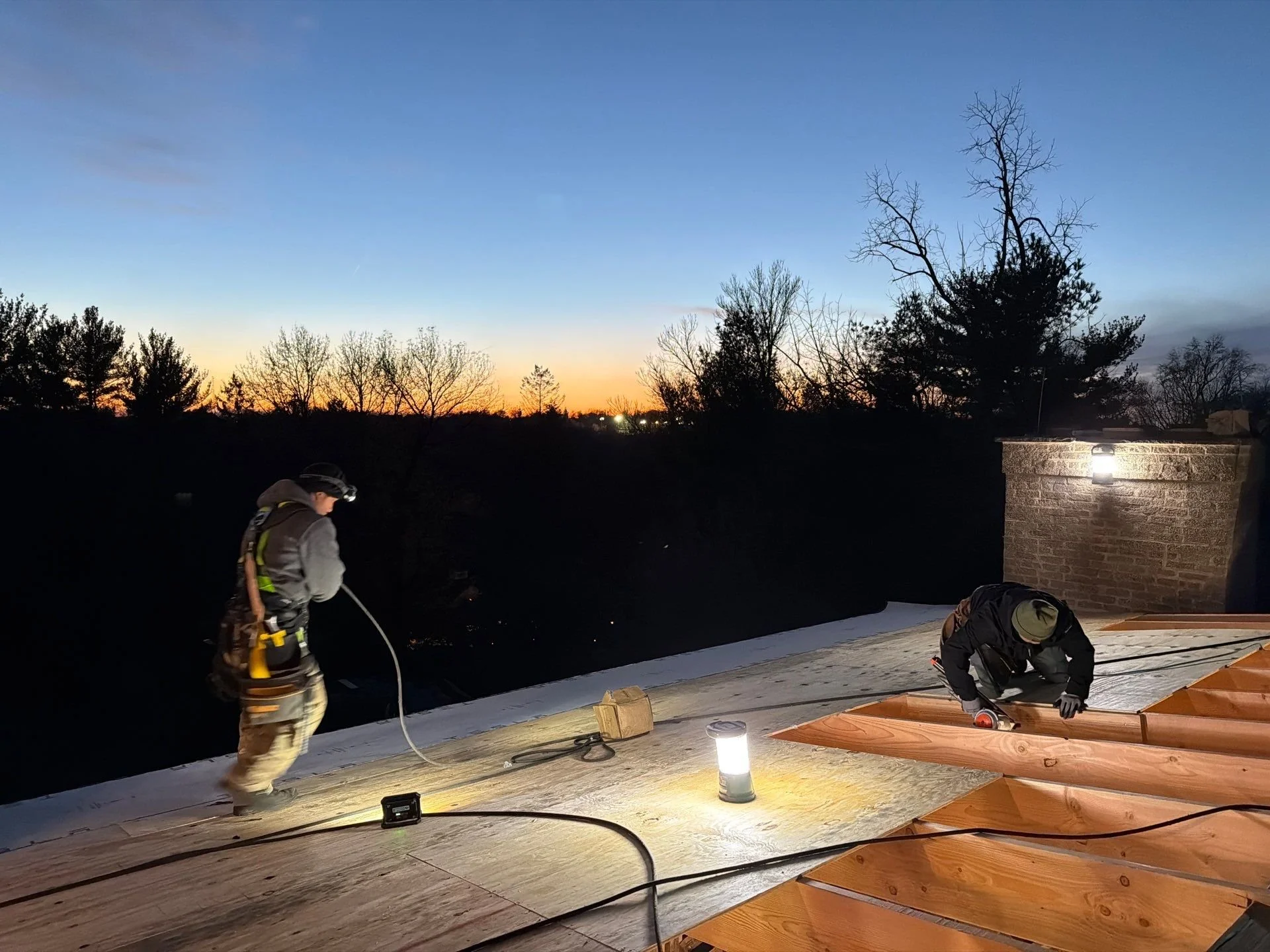
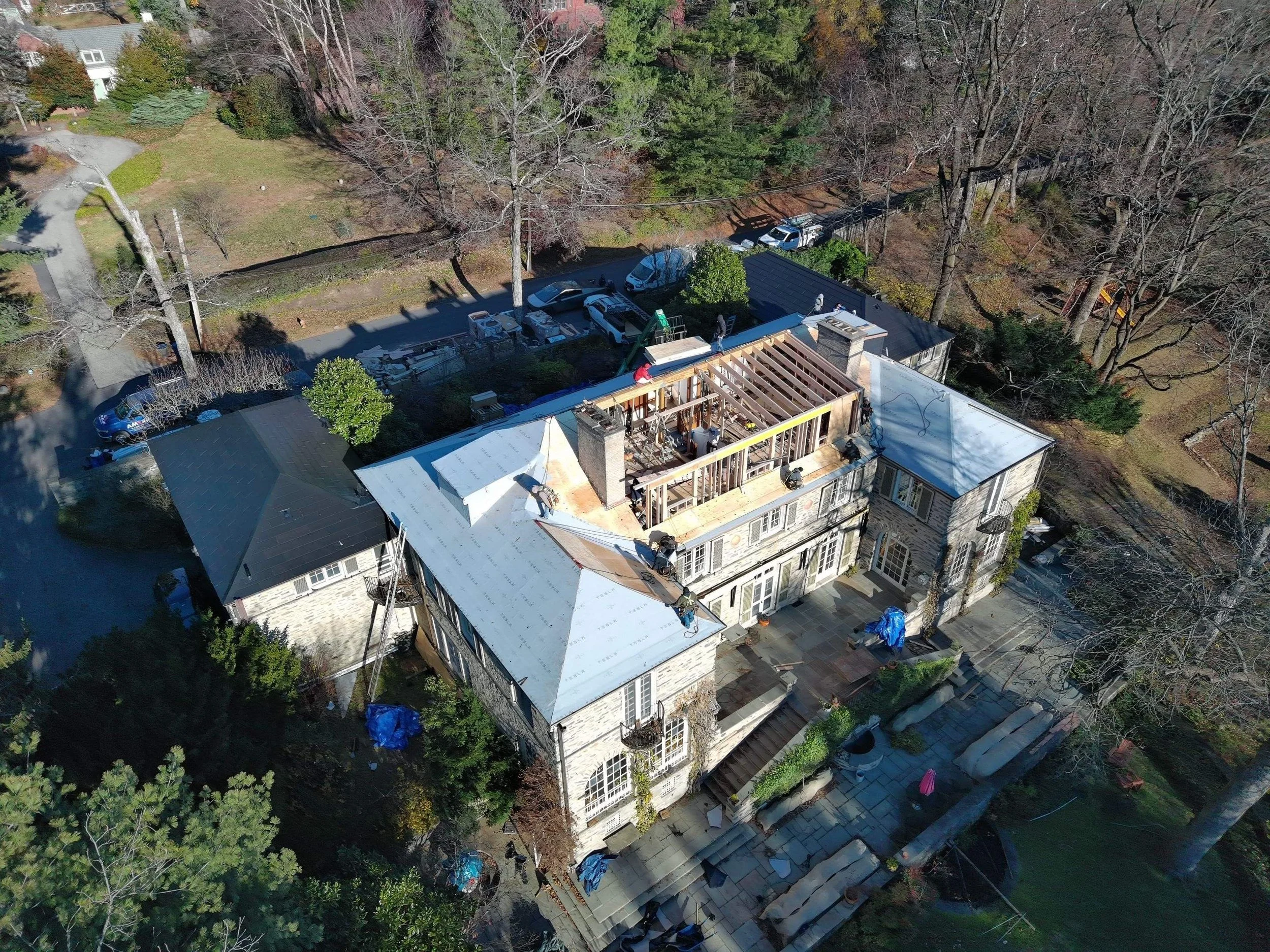
La Primavera’s roof reconstruction reveals the level of care required to integrate modern performance upgrades into a historic home. From dismantling the deteriorated shingle roof to rebuilding the structure that will support a new solar roof and high-performance enclosure, these images capture the craft, coordination, and complexity behind the Demonstrator.
Access the Tools That Make
Net-Zero Possible
Unlock step-by-step guides, templates, and real project workflows based on La Primavera’s full historic rehabilitation and energy retrofit journey.